
The world is super messed up right now. Your mental health doesn’t have to be.
Climate-aware psychiatry for eco-anxiety.
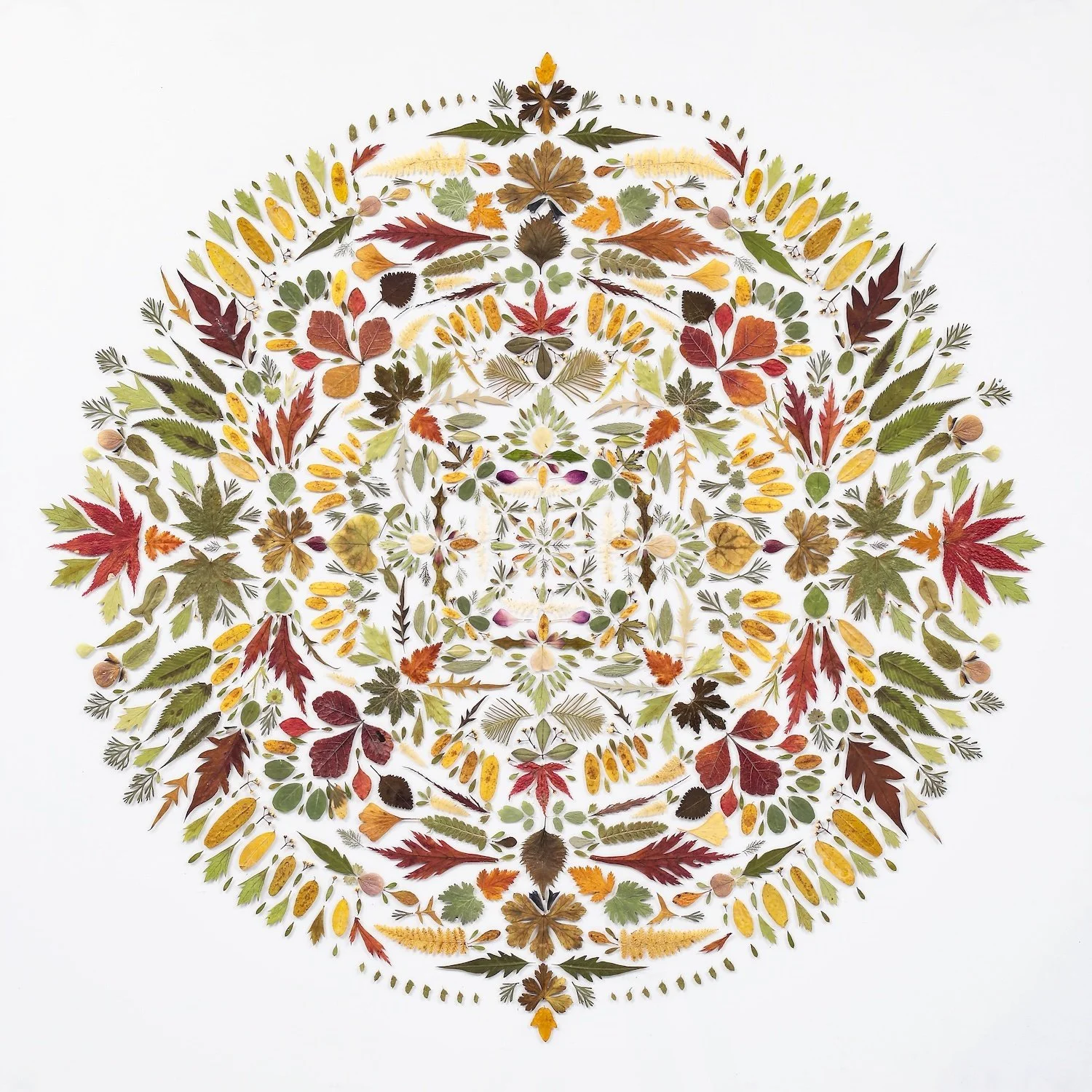
Image credit: Hillary Waters Fayle
How are we all just going to work when the world is on fire?
Maybe you’re struggling with…
Planning for the future (saving money, choosing a career, starting a family) when everything feels pointless.
Spending time in nature when you can already feel the effects of climate change on your favorite places.
Feeling guilty about contributing to climate change and participating in capitalism.
Talking to the young people in your life about the problems, and worrying about the world they will inherit.
Not sleeping when you’re ruminating about the latest terrifying climate report.
Feeling powerless in your ability to make a difference.
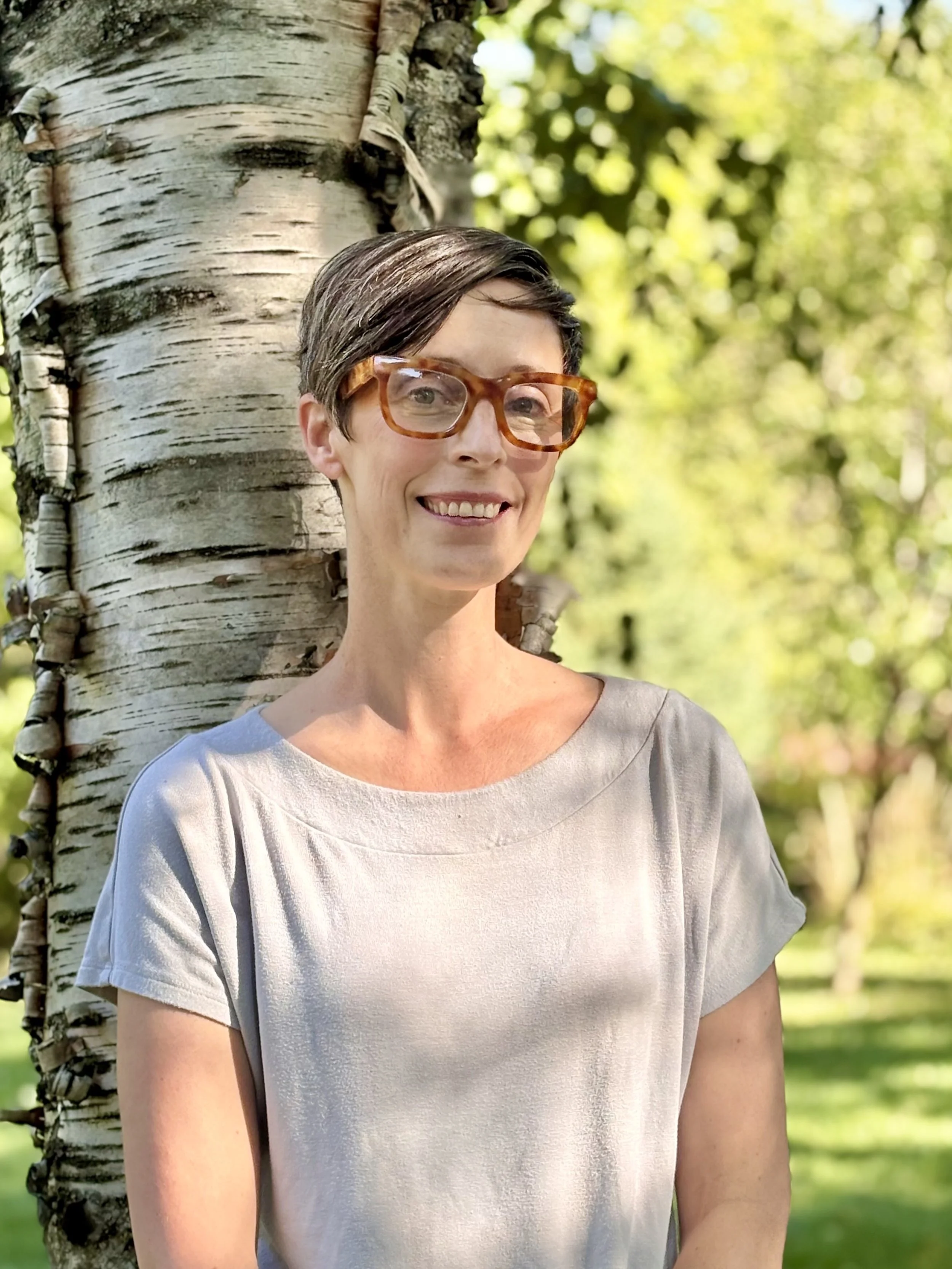
When it comes to climate change anxiety, I feel you.
Starting in my teenage years, I felt eco-anxiety, not knowing what to call it and baffled that others didn’t seem to feel it. I had trouble enjoying activities, focused almost exclusively on the harm caused by anything I did. A birthday party had plastic streamers. A road trip emitted CO2. Why was I learning trigonometry when island nations were disappearing? I wasn’t wrong, but I wasn’t exactly present, either.
I started to heal when I understood that the climate crisis is not something caused or meant to be carried by individuals. Though I still reflect on my personal role, I direct my energy towards the oppressive structures that rob us of all of interconnection. Internalizing the pain led to despair, shut down, and anxiety. Mobilizing the pain towards collective liberation restored my sense of connection and led me to climate psychiatry.
Do you have eco-anxiety? Could you use some humor in your day?
Take this quiz.
(It’s meant to be light-hearted.)
You don’t have to feel drained like a gas tank.
You can be recharged like a solar panel, renewed like rich soil, rewilded like a landscape.
There is a path to feeling joy while working for change.
The Work That Reconnects provides a transformative framework for eco-anxiety.
My clinical approach to eco-anxiety is rooted in Joanna Macy’s the Work That Reconnects (WTR), a collection of practices designed to help people access and process the intense climate emotions of grief, anger, despair, and fear. When I first experienced WTR, I was amazed that a framework drawing on systems theory, deep ecology, and wisdom traditions matched up with established psychiatric treatments for anxiety, depression, and trauma.
The Work That Reconnects helps stabilize people before diving into painful feelings. It also reframes the pain itself as a signal that we are caring, interconnected people. Macy observes repeatedly that folks gain new insight, motivation, and ideas for meaningful action after they have been supported in feeling the emotions we sometimes try to avoid.
I am grateful to Dr. Angela Miller-Porter and Queen Rev. Mutima Imani, among others, for enriching WTR with social justice perspectives, making it even more effective in addressing the distress of the polycrisis.
How we heal climate anxiety:
Resource
It takes profound wells of nourishment to meet this moment. Luckily, we have our bodies, communities, ancestors, medicines, breath, food, plants, and animals to help sustain us. Some people look to spiritual traditions as an anchor, others to Earth herself. We make sure you feel shored up and supported from many angles as we engage this deep work.
Reframe
Sometimes our pain feels endless and pointless. But it is possible to reframe climate distress as evidence that you are compassionate and aware of the interconnectedness of everything. We can see the apocalypse as adventure. We understand that facing fear is a sign courage in itself. We still feel the grief, fear, and despair, just within a new context.
Refocus
Instead of doomscrolling and filling our minds with the worst case scenarios, we can train our talents on envisioning and embodying the world we want to birth. Engaging our imaginations is a powerful antidote to despair, as it taps in to our deeply human capacity for creativity. This isn’t ignoring the problems; it is moving out of a freeze state and channeling energy for good.
(See what I did there? With the 3 re-’s?)
FAQs about eco-anxiety
-
No. Feeling scared and anxious is a normal and adaptive response to the threat to the biosphere that supports all life. I work to de-stigmatize eco-anxiety while also understanding that without support, it can lead to real problems, such as burnout, difficulty functioning, and poor sleep.
Some people have low will to live or suicidal thoughts related to climate change. If that is the case for you, seek professional help right away by calling 988.
-
It’s more common than you might think because very few people talk about it. A 2024 study in Lancet Planetary Health showed that the large majority of youth ages 16-25 have a least “moderate” degrees of worry about the climate. If you are experiencing eco-anxiety, you are definitely not alone, and there are established treatments to help you feel centered and engaged.
-
Yes. I see it as parts of the same whole: old systems that don’t serve the common good are breaking down and causing havoc as they do. We use words like “polycrisis” and “kyriarchy” to try to capture the ways that we are fighting on all fronts — political, ecological, economic, social, educational. This can feel overwhelming, and it also means there are so many entry points, so many places to make a difference.
-
It probably doesn’t go to zero. But the idea is to stay in our “window of tolerance.” Some anxiety can be a force for good, motivating action and attuning us to important information. But too much anxiety becomes overwhelming and can lead to shut down. We are not trying to make anyone numb or checked out; we are just trying to balance awareness with plenty of resources to help you feel supported, connected, and even inspired as you live your life.
-
I hear this question a lot about paying attention to the news. People don’t want to “bury their head in the sand,” but they also notice that too much exposure to news and social media leaves them feeling overwhelmed and drained. Our ancestors only had news of what was happening in their nearby communities. We can access information from anywhere in the world instantly. Our nervous systems didn’t evolve to handle that much input. I often work with people to place parameters around their news and social media “diet,” like how much time to spend on which outlets at what time of day. We also make sure that the abundance of bad news is balanced by the equally important stories of people doing inspiring, positive things everywhere every day.
-
This is an important point. Eco-anxiety is often fear of something that might happen, that is looming in the future. Sometimes this is called “pre-TSD.” But then there is actual PTSD and other forms of trauma from recent, actual events, whether you were impacted by a flood, driven from your homeland, or your community was unjustly polluted, causing illness and even death. This is a very direct impact of climate change and environmental injustice on mental health, and while similar approaches can be used, there are specific techniques employed for acute trauma.
Climate anxiety doesn’t have to rule your existence. Imagine that you…
Make small purchases without obsessing over your carbon footprint.
Recognize the ways you already make the world a better place.
Feel part of the web of life, as well as a larger movement and community.
Bring forth your deepest strengths to respond to the crises like a call to adventure.
Envision the world you want and take small, meaningful steps in that direction.
Understand your specific role in the Great Turning (Joanna Macy’s terms for the transition to a just and sustainable society) and stop feeling like you have to do everything.
Eco-anxiety is a portal to creative action.
Let’s chat about how climate change, politics, and injustice are impacting you and how we can fortify your spirit to thrive.